

Keeping rats away is mainly about making the area around your home less useful for food, water, shelter, and entry. Start outdoors, then check the building for openings before activity moves inside.
Secure food and waste, reduce sheltered outdoor clutter, and inspect the home's exterior for possible entry points. If you see ongoing signs indoors, shift from prevention to a more complete rodent-control plan.
Remove reliable food sources
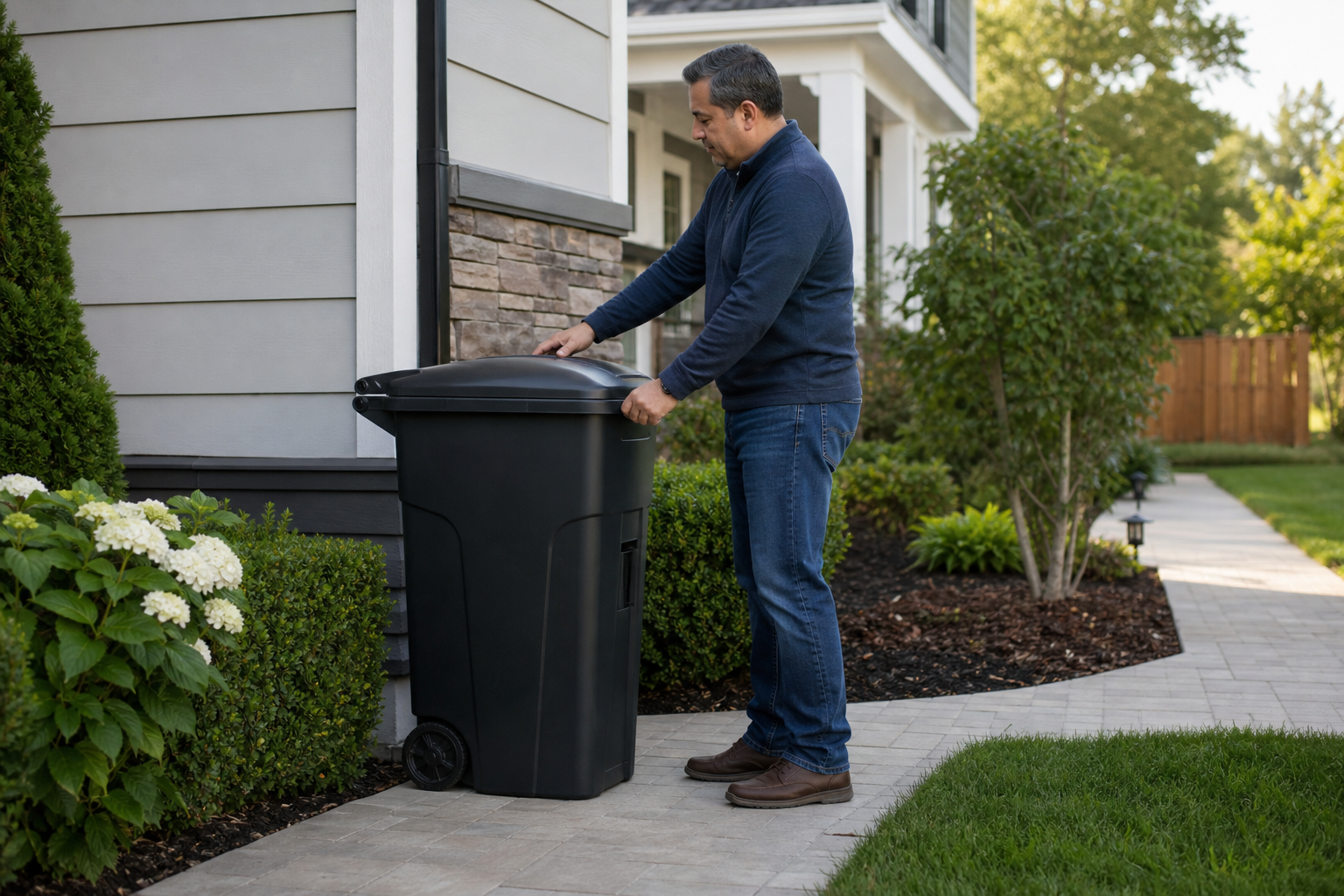
Use trash bins with secure lids and clean spills around the bin area. Do not leave pet food outdoors, and store birdseed, pet food, and dry goods in sturdy containers. Pick up fallen fruit and avoid leaving food waste exposed in compost or recycling.
This is not about making a yard perfectly bare. It is about removing the dependable food source that lets rodent activity continue night after night.
Reduce shelter close to the home
Clear debris, dense weeds, stacked materials, and clutter from next to the foundation. Keep firewood and stored items away from the house when possible. Trim vegetation so you can see the foundation and the area stays easier to inspect.
Look for water too. A leaking outdoor tap, a constantly full saucer, or a drainage problem may keep the space attractive even after food is secured.
Check the building exterior
Walk slowly around the foundation, doors, utility lines, vents, and areas where pipes enter the wall. Look for gaps, gnaw marks, rub marks, droppings, or disturbed material. Seal a confirmed opening with a durable method suited to the building, but do not block vents or undertake structural work you are not qualified to do.
If you already hear activity in walls or find fresh signs indoors, do not assume exterior sealing alone has solved it. You may need to address rodents already inside before closing every possible route.
Monitor after changes
Recheck the areas where you saw activity. Fresh droppings, gnawing, or new damage suggest the problem is active and needs another look. Keep children and pets away from traps or any pest-control product.
Avoid glue traps and do not use poison casually outdoors. If a control product is needed, use only one labeled for the confirmed pest and exact location, follow the full current label, and consider professional help for repeat activity, contamination, inaccessible nesting, or uncertainty about identification.
When to call for help
Call a qualified pest professional when signs continue after food, shelter, and entry-point work, or when activity is in walls, attics, crawlspaces, or other inaccessible places. Use current public-health cleanup guidance for droppings or nesting material, especially after a heavy infestation.
Make prevention part of routine maintenance
Recheck the bin area, foundation, and stored materials after storms, yard work, or a change in how you use the space. A lid that no longer closes or vegetation that has grown against the wall can undo earlier work. Small inspections make it easier to respond before signs become widespread.
If you rent or live in a shared building, document signs and tell the landlord or property manager promptly. Entry points and waste areas may be outside one household's control, and coordinated action is often needed.
Protect food areas indoors too
Even when the signs are outside, store pantry food and pet food in closed containers indoors. Clean crumbs under appliances and keep interior storage areas orderly enough to inspect. These steps reduce the chance that a visiting rodent finds an easy reward after entering.
Do not sweep or vacuum rodent droppings as routine housekeeping. Follow current public-health cleanup guidance instead, especially if there is substantial contamination. That boundary matters because cleanup needs can differ from ordinary prevention work.
Keep a short note of new signs so recurring activity is easier to track.
