
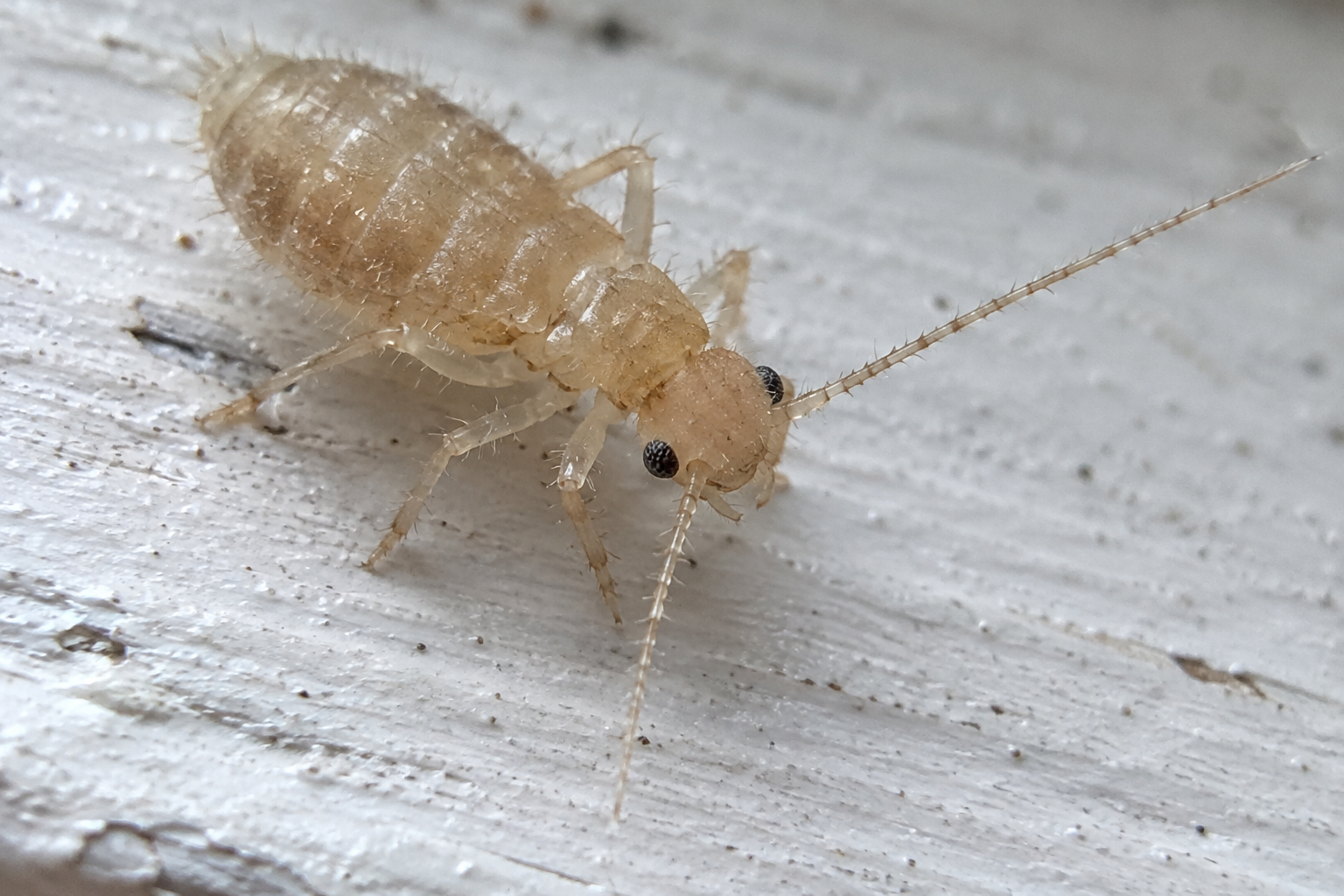
Booklice in the house usually signal excess moisture rather than a need for immediate spraying. Start by checking the affected room for condensation, leaks, damp cardboard, or poor airflow, then dry the area and monitor it. Confirm the insect before treating because several tiny household pests look similar.
Quick answer: Vacuum visible booklice, remove damp or moldy materials, correct leaks, and use ventilation or a dehumidifier. Keeping the affected area near 50% relative humidity or lower usually makes it less suitable for booklice.
Are These Insects Really Booklice?
Booklice, also called psocids, are tiny, soft-bodied insects often found near books, paper, cardboard, stored foods, and damp building materials. Most indoor species are pale cream, gray, or light brown and may be smaller than a pinhead.
Despite their name, booklice aren’t the lice that live on people or animals. They don’t feed on blood. Indoors, they commonly feed on microscopic mold, fungi, and starchy residues associated with damp materials.
Use a phone camera or magnifying glass to examine a specimen. Likely booklice have relatively large heads, long threadlike antennae, and soft bodies. They may crawl quickly when disturbed.
Consider other possibilities if the insects don’t match:
- Springtails often jump when disturbed and gather near wet windows, sinks, or plant soil.
- Mites are usually rounder and lack the long, obvious antennae of booklice.
- Pantry beetles have harder, darker bodies and may emerge from flour, cereal, spices, or pet food.
- Termites are larger and require prompt professional identification, especially when found with damaged wood, mud tubes, or shed wings.
A clear close-up photograph or a captured specimen can help a pest professional or local identification service confirm what you found.
Find the Moisture Source First
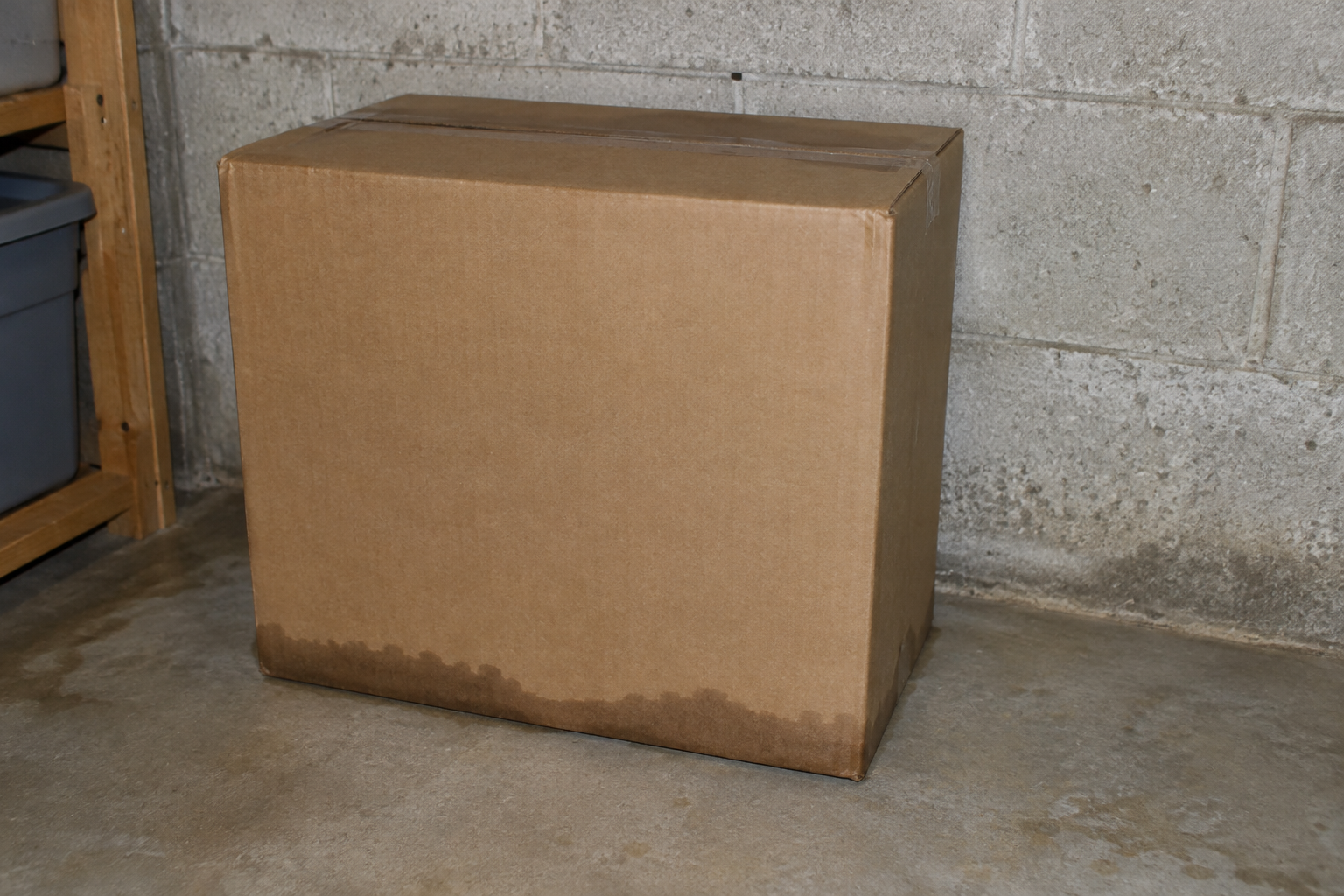
Look where booklice are concentrated rather than searching the entire house immediately. The largest gathering often points toward the damp material supporting them.
Inspect these common trouble spots:
- Windowsills with recurring condensation
- Bathrooms with weak ventilation
- Cabinets beneath sinks
- Areas around leaking pipes or appliance connections
- Basements, laundry rooms, and poorly ventilated closets
- Cardboard boxes stored against concrete or exterior walls
- Books and papers in humid rooms
- Recently installed drywall, plaster, flooring, or lumber
- Food packages with moisture damage or visible mold
Use a basic humidity meter, also called a hygrometer, to compare rooms. Check at different times because humidity can rise after showers, cooking, laundry, or overnight temperature changes.
A single reading doesn’t prove where the insects originated. It does help you identify consistently humid spaces and judge whether your drying efforts are working.
Reduce Humidity and Dry Damp Materials
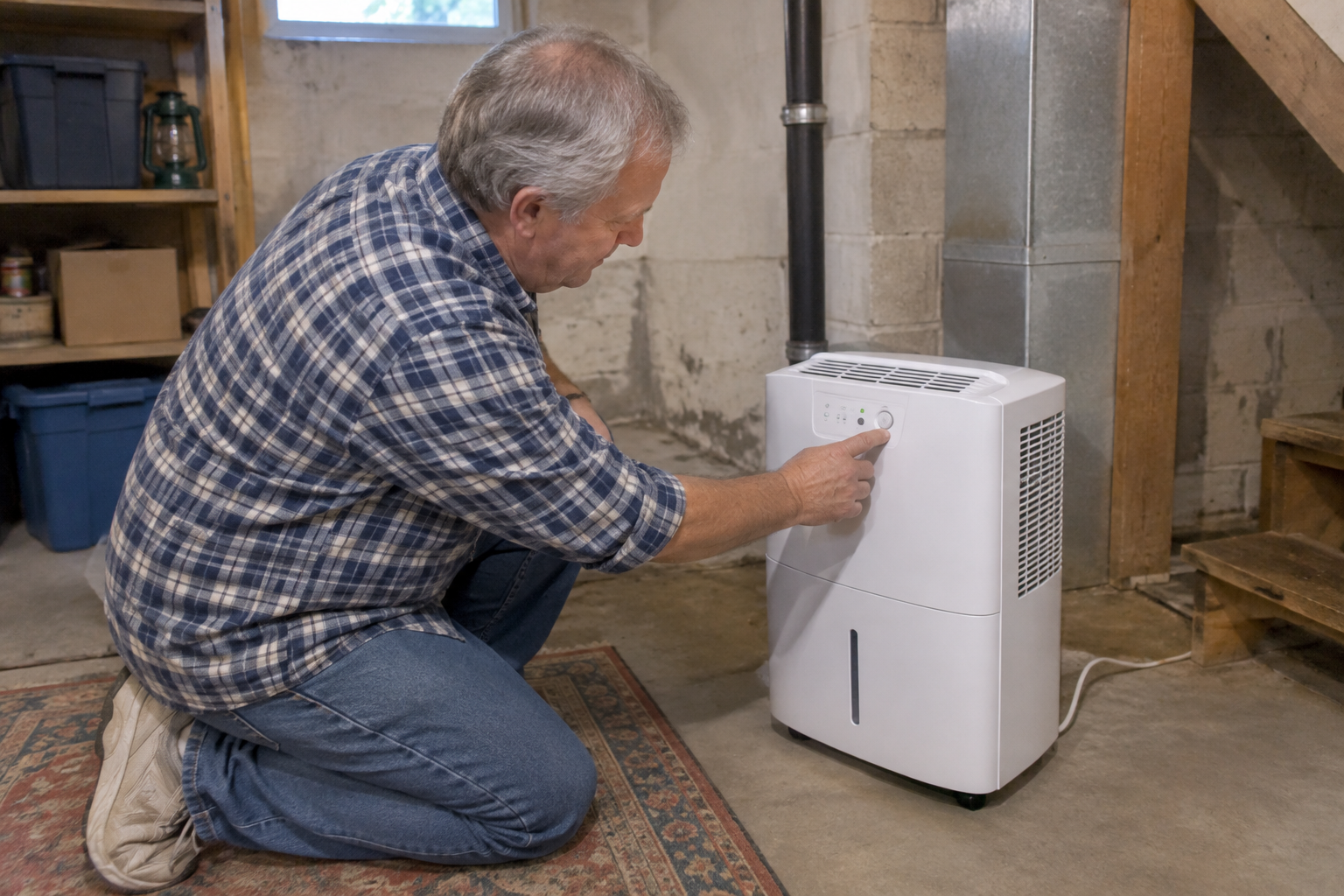
Correct active water problems before cleaning repeatedly. Repair leaking plumbing, improve rainwater drainage where appropriate, and address water entering around windows or walls. Persistent dampness inside a wall, ceiling, or floor may require a plumber or building professional.
Improve everyday drying with practical changes:
- Run bathroom and kitchen exhaust fans so they vent outdoors.
- Increase airflow around crowded shelves and stored boxes.
- Move paper and cardboard away from damp walls and floors.
- Use air conditioning or a dehumidifier where ventilation isn’t enough.
- Empty and maintain dehumidifiers according to their instructions.
- Dry condensation instead of allowing it to soak into nearby trim or paper.
Aim for relative humidity around 50% or lower in the affected area when the building and materials allow it. Avoid making a room so cold that moisture condenses on walls, windows, or pipes.
Clean Up Booklice and Affected Items
Vacuum visible insects and the surfaces where they gather. Focus on shelf joints, cabinet corners, window trim, baseboards, and cracks beside damp materials. Empty the vacuum outdoors or seal and discard its contents promptly.
Evaluate affected belongings individually. Dry books and papers in a clean area with good airflow, separating items so moisture can escape. Discard cardboard or low-value paper that remains damp, smells musty, or has extensive mold growth.
Don’t brush or vacuum substantial mold growth without considering the exposure risk. Large, recurring, or hidden mold problems call for qualified moisture and mold guidance, particularly when household members have respiratory concerns.
If the insects are inside packaged food, isolate the package and inspect nearby dry goods. Discard contaminated or moisture-damaged food rather than applying pesticide near it. Clean the shelf and store replacement food in tightly closed containers.
Why Spraying Usually Misses the Real Problem
Pesticide alone won’t correct the humidity or mold supporting booklice. Even if visible insects die, more may appear while damp materials remain.
Avoid broad indoor spraying, foggers, and homemade mixtures. If control is still necessary after identification and moisture correction, use only a product whose current label specifically permits use for that pest and indoor location. Follow the complete label, especially around food, children, pets, and sensitive household members.
Monitor After the Area Dries
Place small sticky monitors near shelves, windows, cabinets, or other activity areas. Record where you see insects and check humidity several times a week. A steady decline after drying supports the conclusion that moisture was the main driver.
Continued activity means you may have missed a damp pocket or affected material. Recheck behind furniture, beneath sinks, around pipe openings, and inside stored boxes. In apartments or attached homes, moisture may also originate from an adjoining unit or shared building system.
When to Get Professional Help
Arrange an inspection when you cannot confidently identify the insects, activity continues despite sustained drying, or the source appears to be inside a wall or other unreachable space. Professional help is also appropriate when there is widespread mold, repeated water intrusion, extensive damaged material, or evidence suggesting termites or another structural pest.
Before an inspection, save a specimen in a sealed container and note where and when activity occurs. Keep humidity readings and photographs of condensation or water damage. That evidence helps the inspector focus on the source instead of treating scattered insects without addressing the underlying moisture.