

The most useful way to keep spiders out of a house is to reduce the gaps, prey insects, and quiet hiding places that make the building appealing. You do not need to turn a home into a sterile space, and spraying alone rarely creates lasting control.
Check screens, gaps around doors and windows, cluttered storage, and vegetation close to the foundation. Prevention works best when you combine a few small fixes and monitor where spiders appear.
Seal ordinary entry points
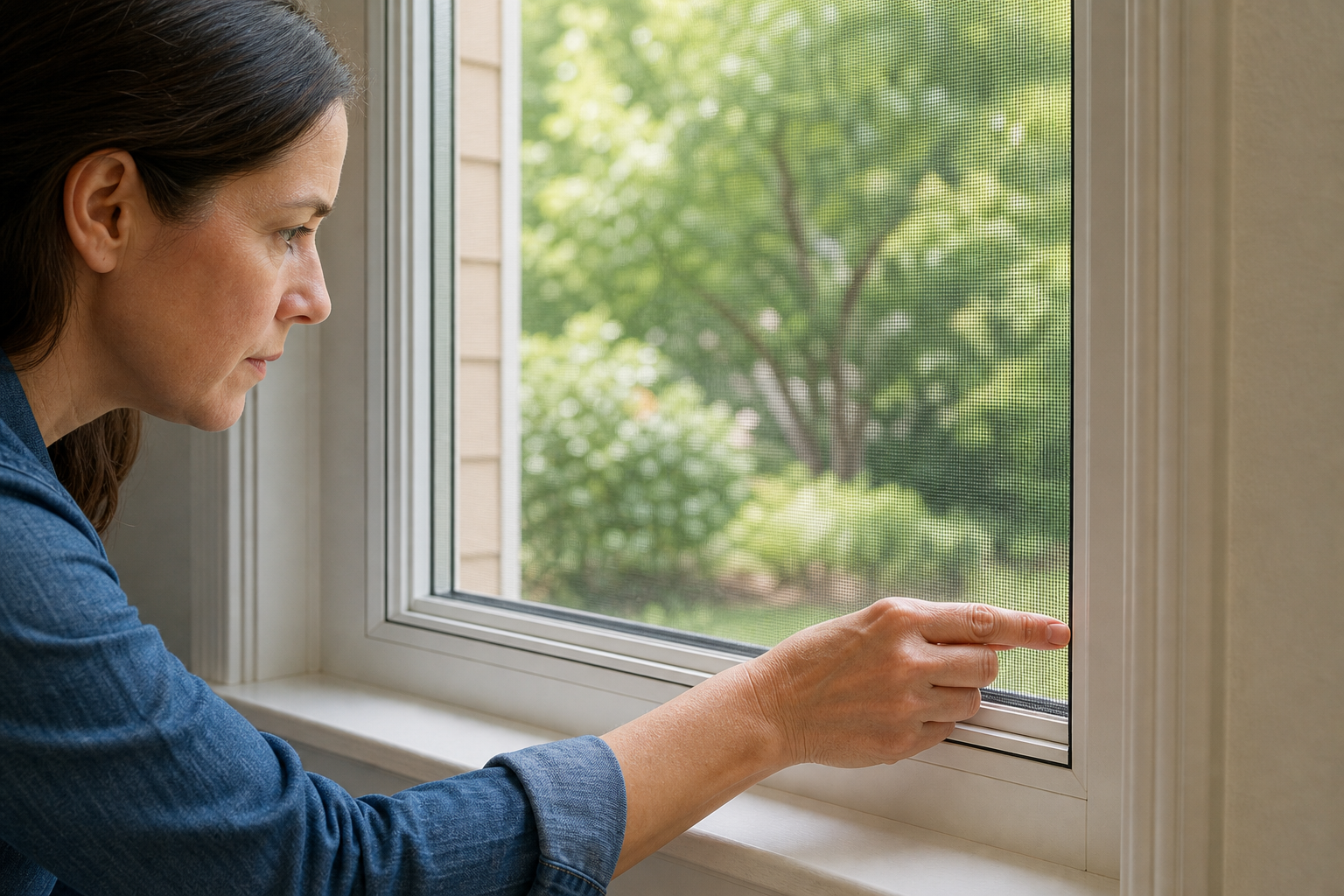
Inspect window screens, door sweeps, and gaps around window frames, doors, and the foundation. Repair torn screens and seal small gaps using a material appropriate for that location. Do not block vents, drainage paths, or building features you are unsure about.
Spiders can also arrive in boxes, plants, firewood, and stored belongings. Check these items before bringing them indoors, especially if they have been outside or in a garage.
Reduce indoor hiding places
Vacuum or sweep corners, storage areas, basements, and seldom-used spaces regularly. Remove old webs and reduce piles of boxes, paper, bags, and clutter along floors and walls. Store boxes off the floor and away from walls when practical.
For one occasional spider, capture it in a container or remove it using a method you can do safely. Sticky monitoring traps can show where activity is concentrated, but place them where children and pets cannot tamper with them.
Make the outside less inviting
Keep leaf litter, debris, stacked materials, and heavy vegetation away from the foundation. Trim shrubs that touch the house and remove exterior webs as part of ordinary maintenance. These changes reduce sheltered spots near the building.
Outdoor lighting can attract insects, which may then attract spiders. If a light draws many insects near a door or window, consider whether its placement or use can be adjusted without creating a safety issue.
Know when not to handle it yourself
Most spiders are not dangerous, but you should not rely on a photo or a general description to identify a high-risk species. Use caution around undisturbed woodpiles, garages, sheds, and stored items. If you think a spider could be medically important in your area, if there are many spiders in inaccessible spaces, or if someone has concerning symptoms after a bite, seek appropriate local professional or medical guidance.
Pesticides are not usually needed for ordinary spider prevention. If one is considered, choose only a product labeled for the confirmed pest and exact location and follow its label completely.
Focus on the places where activity repeats
If spiders appear in the same room, look for the pattern rather than treating the whole house. A basement corner, an unused storage shelf, or a window with a poor screen seal gives you a specific place to improve. Cleaning that spot and checking nearby insect activity is more useful than chasing every spider you notice.
Keep outdoor maintenance practical. You do not need to remove every plant or outdoor web. The priority is reducing dense contact with the house and keeping doors, windows, and foundation areas easy to inspect.
Use seasonal checks
Add screens, door sweeps, and exterior clutter to a seasonal home-maintenance list. Check them before the time of year when you tend to open windows or bring stored items inside. A torn screen or a gap around a utility line is easier to correct before it becomes part of an indoor pattern.
When moving boxes from storage, use gloves if you are concerned about hidden spiders and inspect the outside of the box before opening it in a living area. This is a simple precaution, not a reason to assume every stored item is hazardous.
Repeat the check after repairs or renovations, when new gaps around trim or utilities can appear.
